


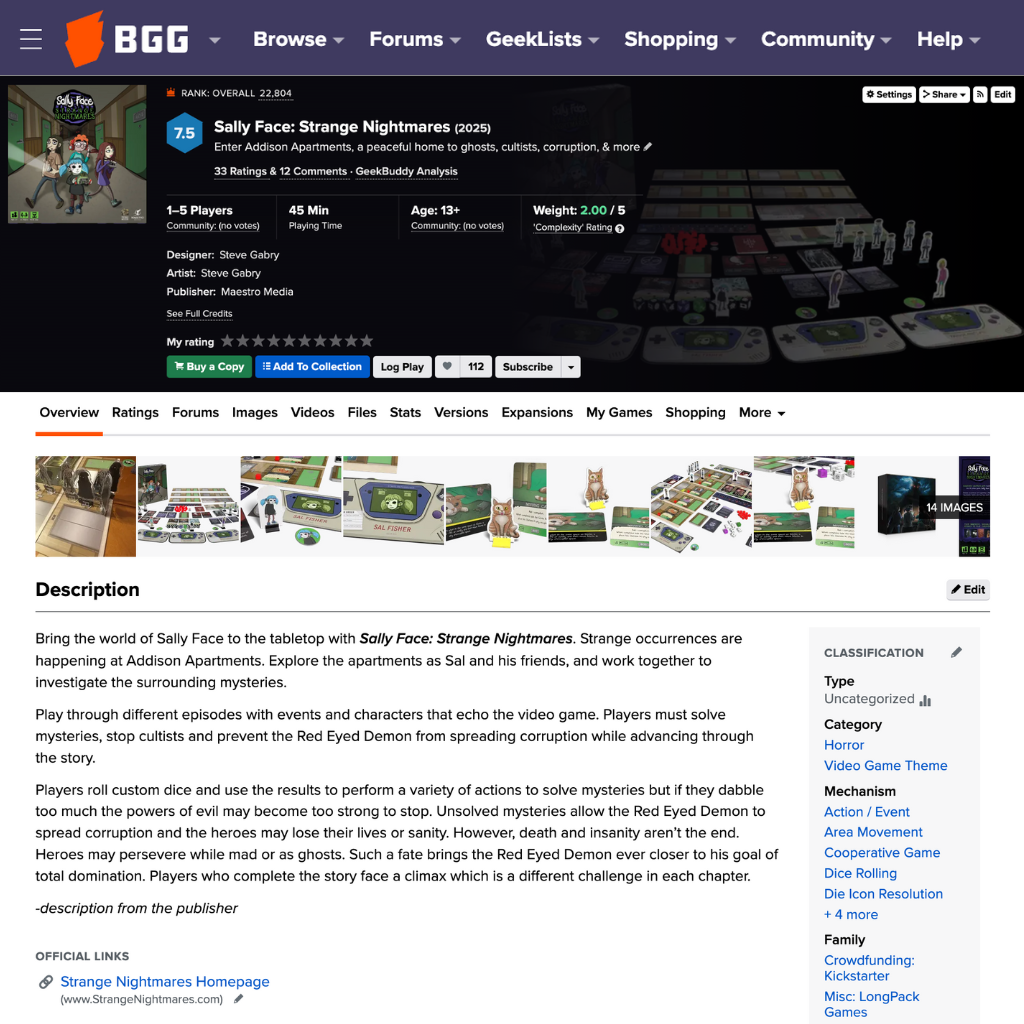
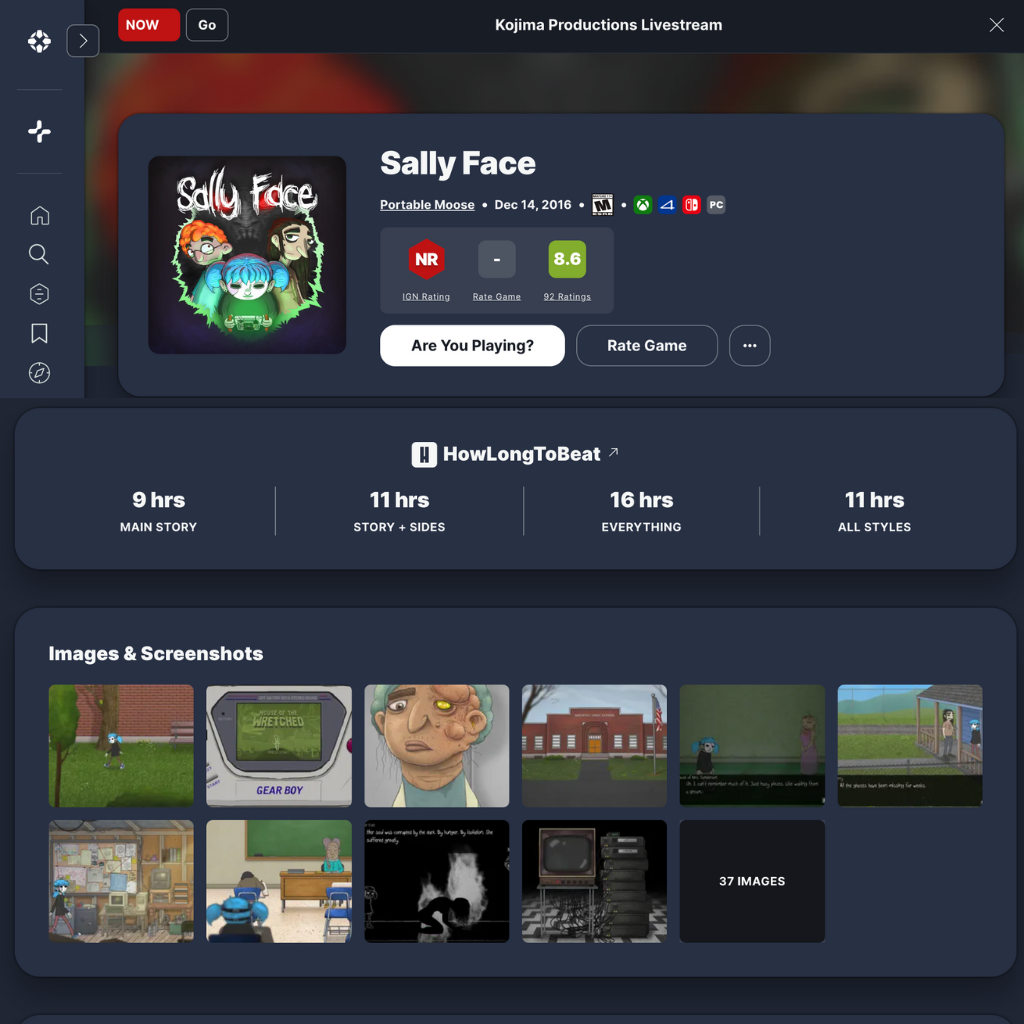
The second major franchise we developed with Maestro Media was Sally Face, another indie video game with a passionate, devoted following. Created by Steve Gabry, known under the name Portable Moose, Sally Face had already achieved cult status in the gaming community for its haunting story, distinctive art style, and emotionally complex characters. Building on the success of The Binding of Isaac: Four Souls Requiem, we knew that bringing Sally Face into the world of tabletop games would require the same deep respect for the existing fandom and a careful balance of creativity, authenticity, and community engagement.
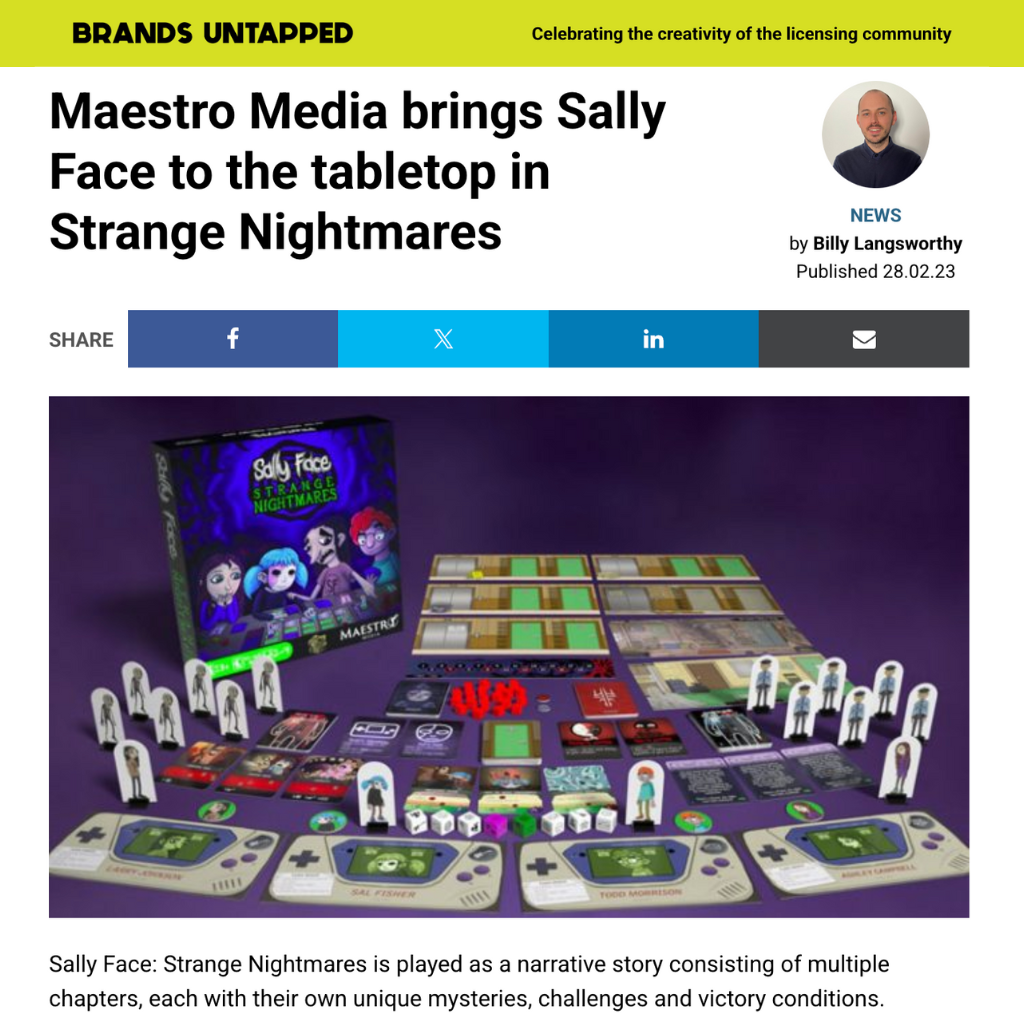
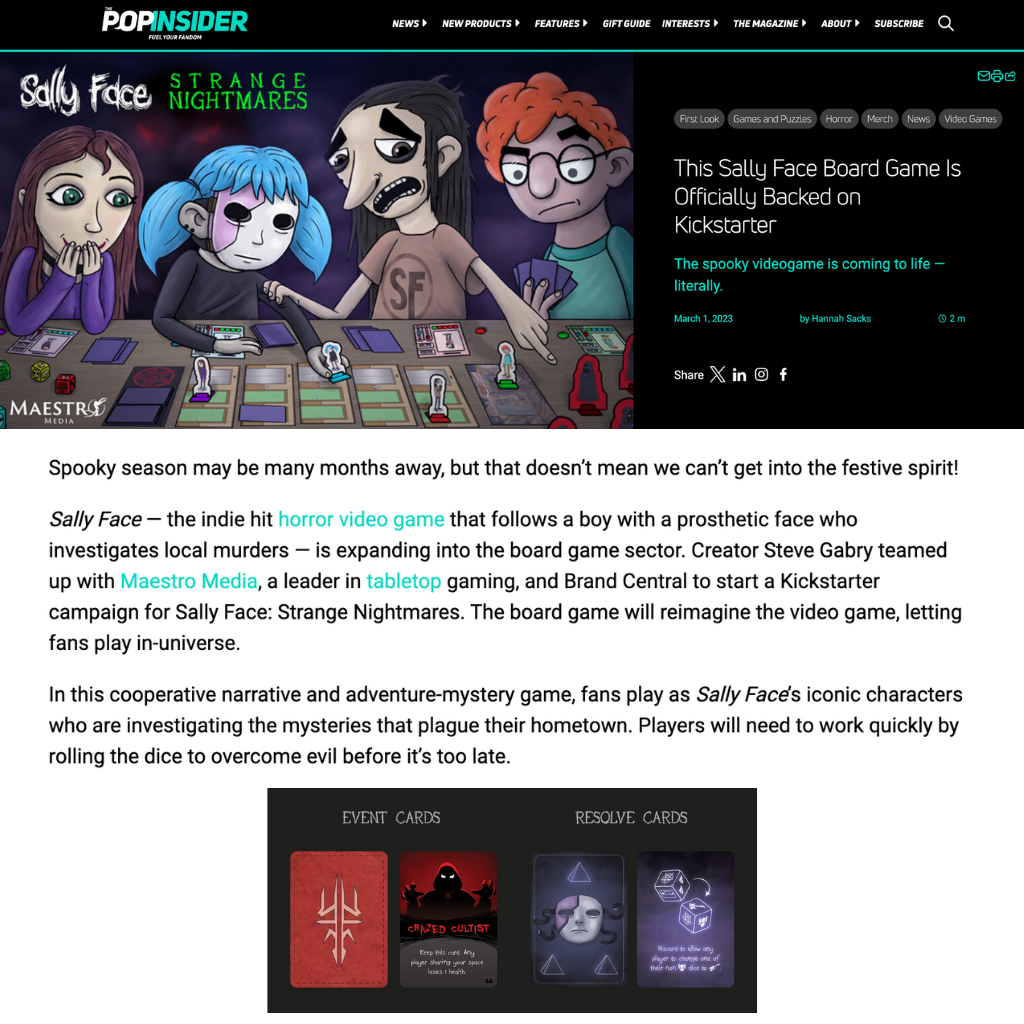
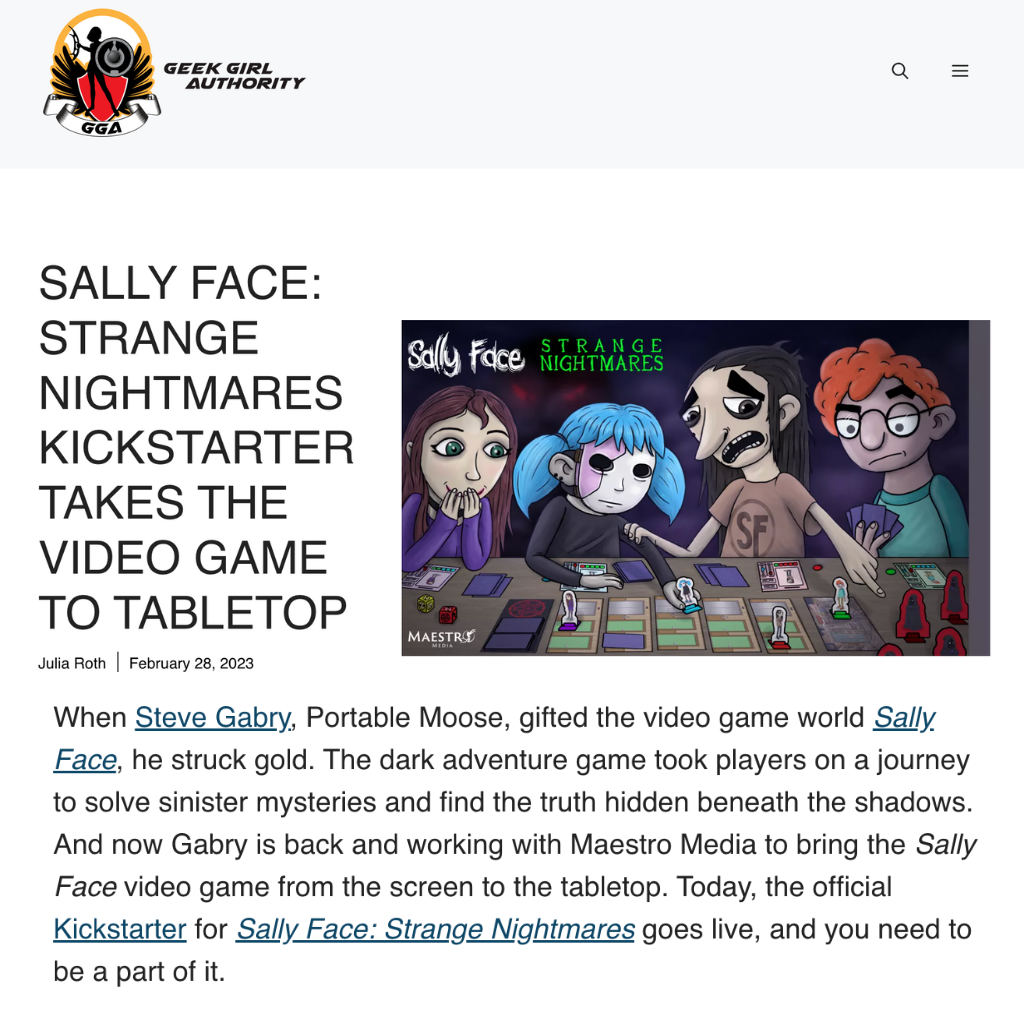
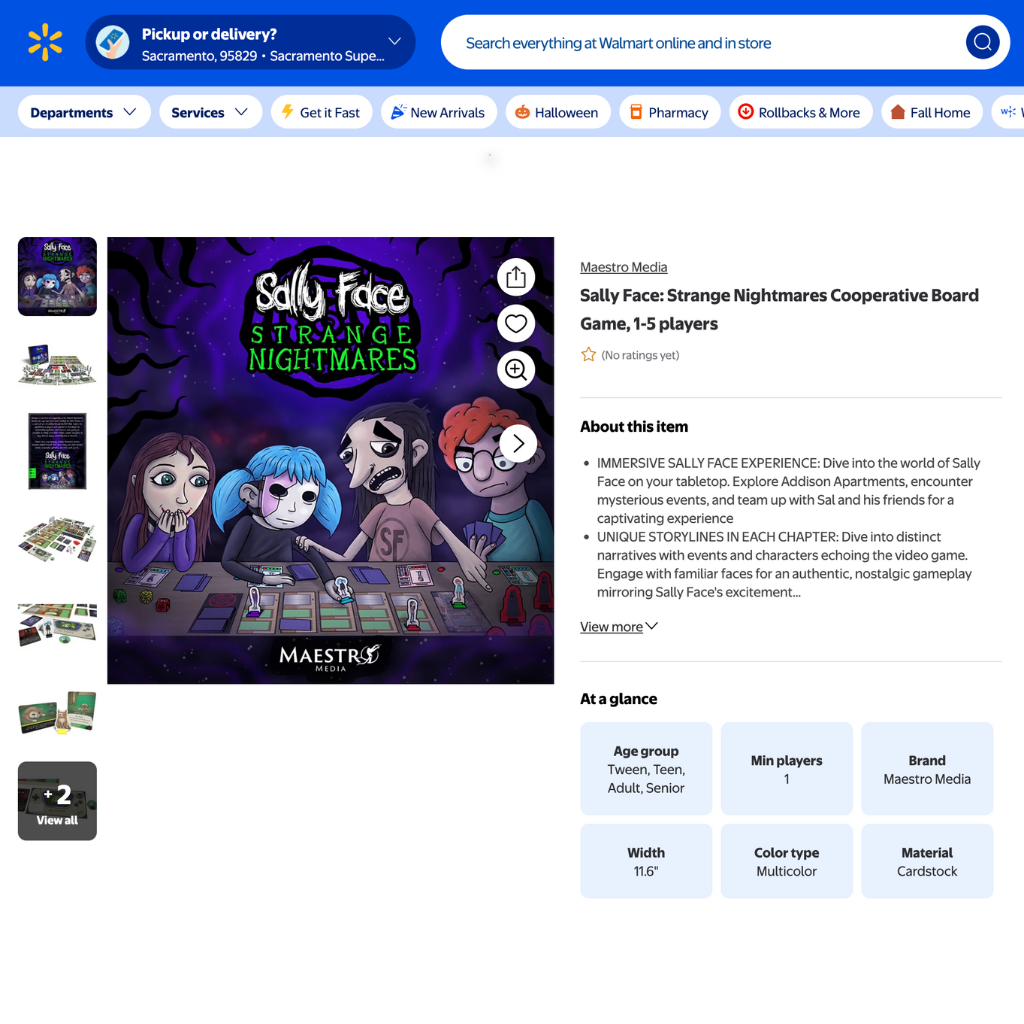
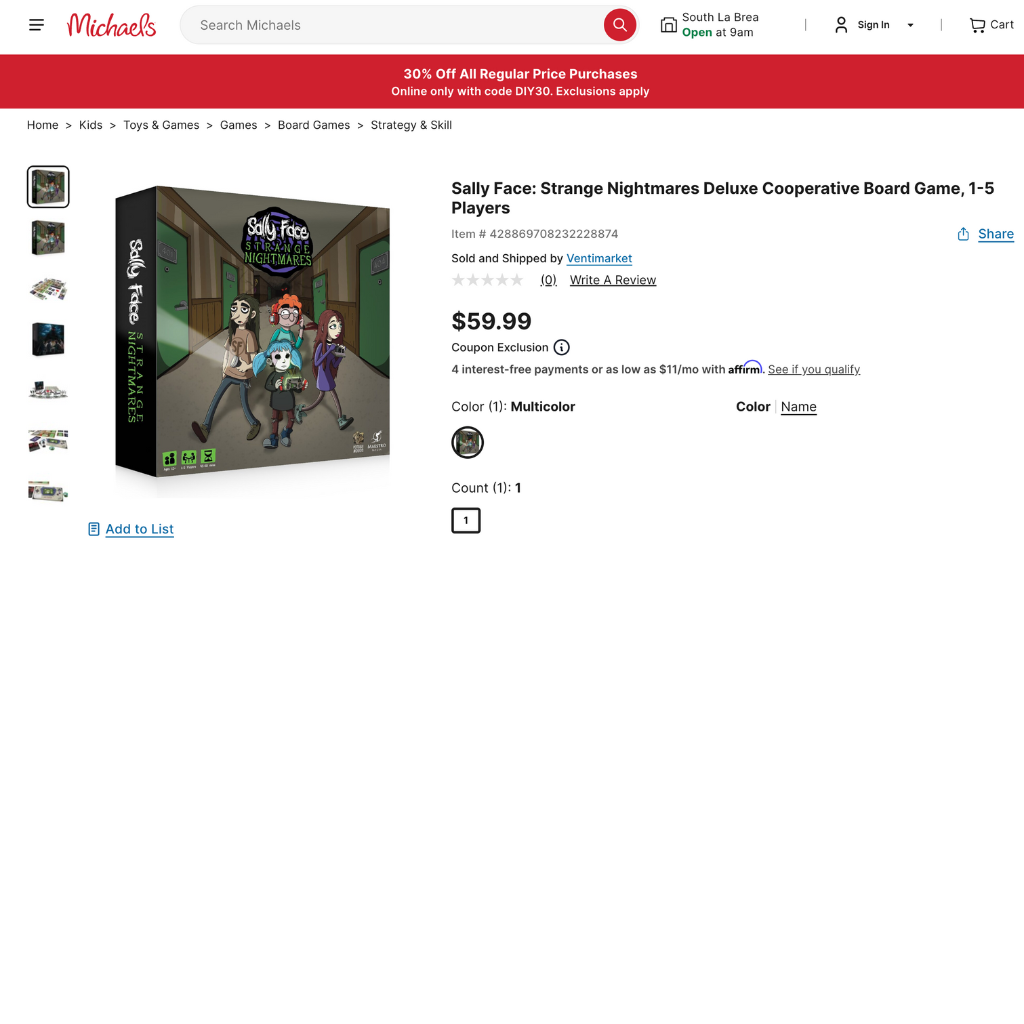
We collaborated closely with Steve Gabry. From the start, the goal was not simply to adapt the video game but to create an experience that would feel like an extension of the Sally Face universe—something immersive, tactile, and fan-driven. The result was Sally Face: Strange Nightmares, a tabletop game that captured the eerie charm and emotional depth of the original while giving fans a new way to interact with the story.
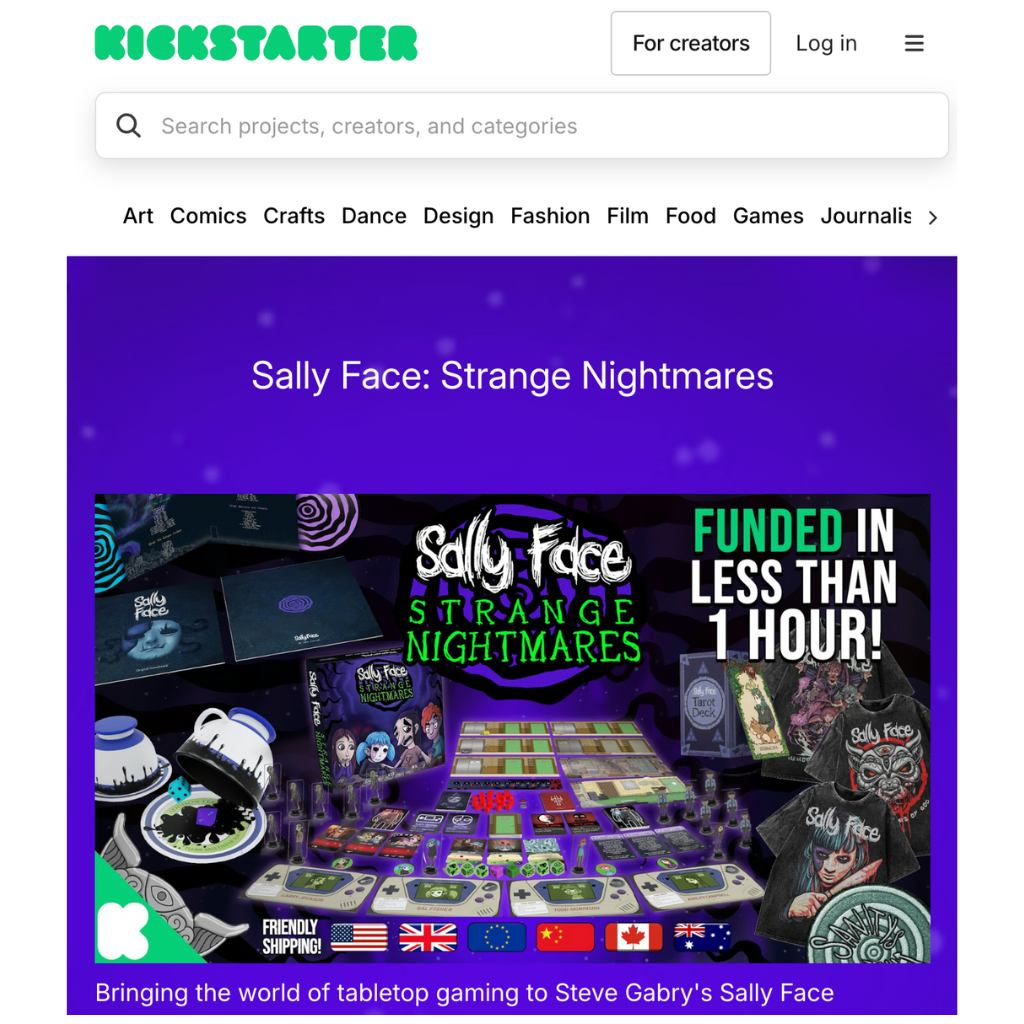
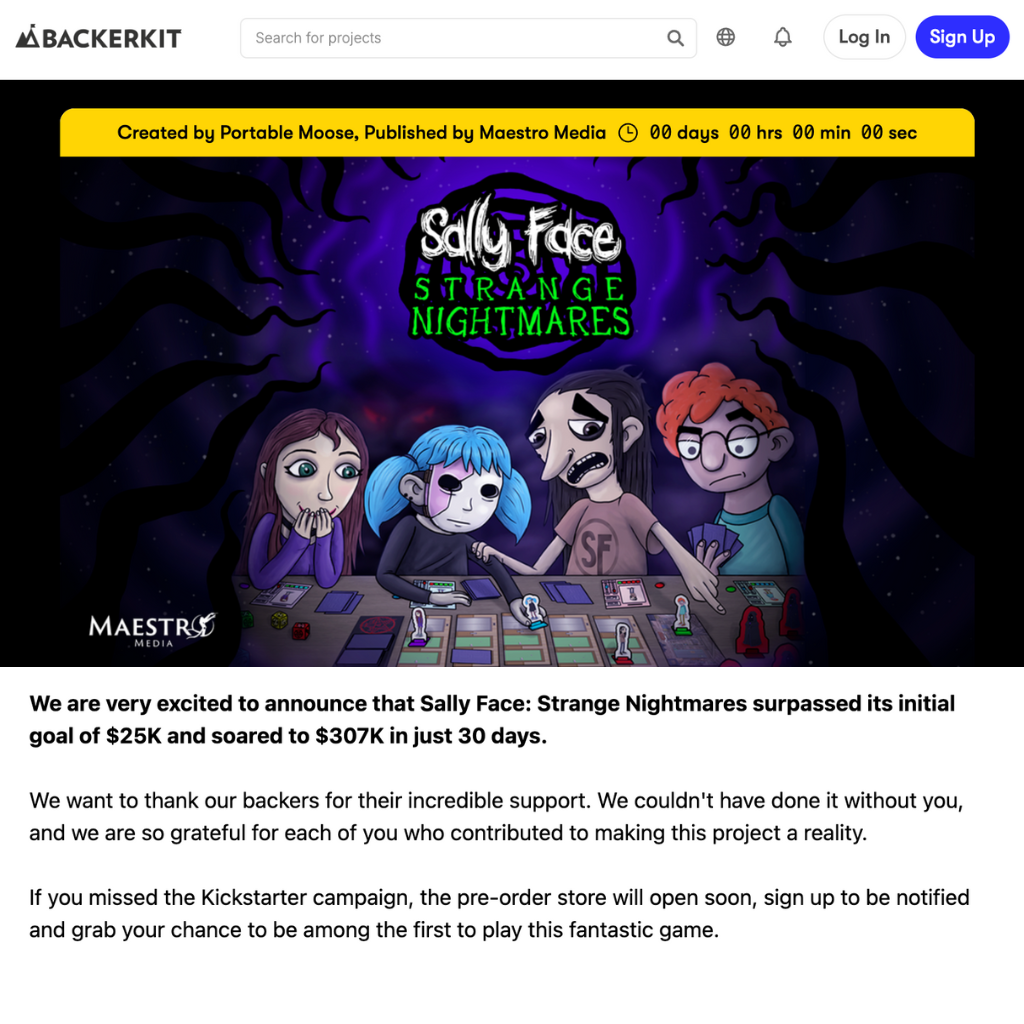
The campaign launched on Kickstarter, where it raised over $300,000. As with The Binding of Isaac, the focus was on community participation, as well as fundraising. The platform served as a creative testing ground, allowing fans to share feedback on gameplay mechanics, character inclusion, and visual design. Their input shaped every stage of development, reinforcing Maestro Media’s reputation for co-creation—a hallmark of the company’s approach to game publishing.
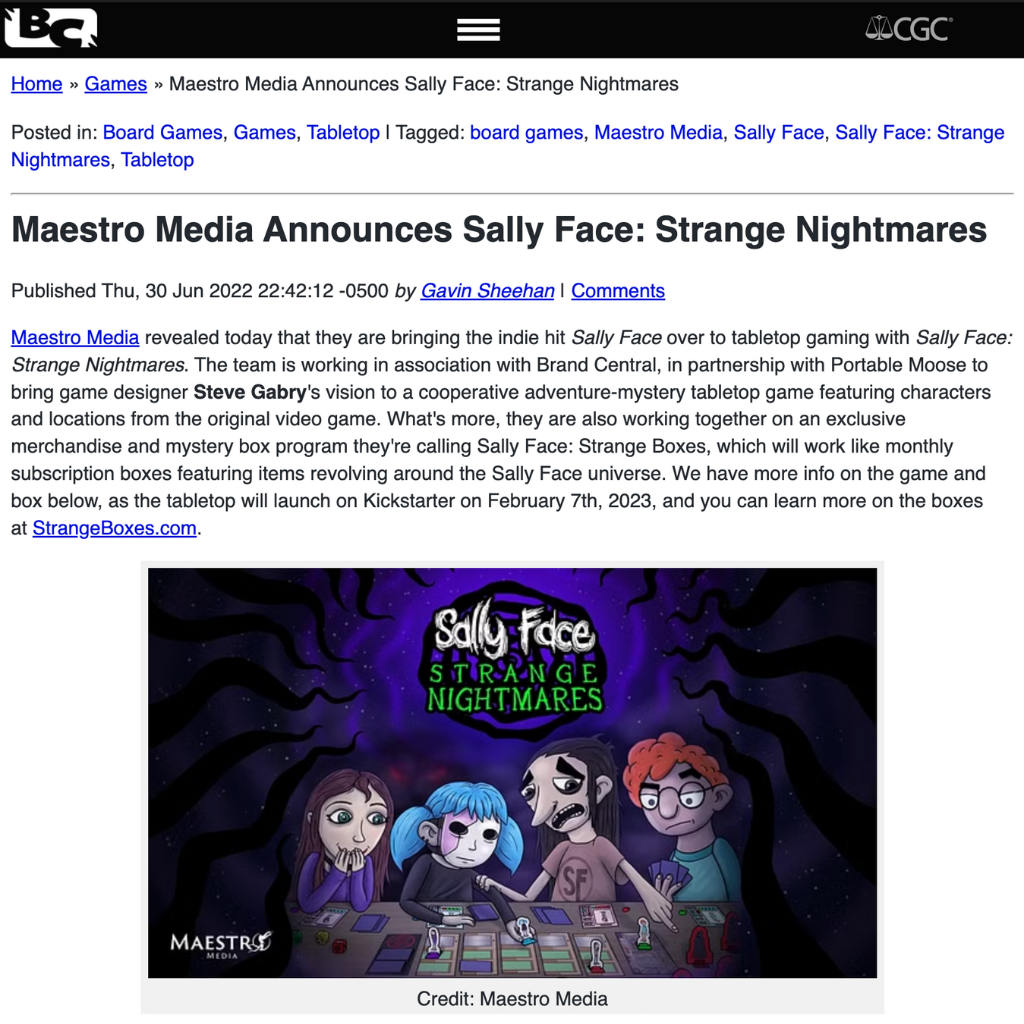
Leading up to the campaign, we built awareness through targeted storytelling and consistent engagement across multiple channels. We activated Sally Face’s dedicated fanbase while simultaneously reaching into the broader board game community and the wider gaming and entrepreneurial circles that followed Javon Frazier’s leadership. Each step was designed to build momentum: generating anticipation before launch, amplifying success during the campaign, and maintaining excitement long after funding was complete.
We also developed a line of merchandise inspired by the Sally Face universe that complemented the board game and appealed to fans’ deep emotional connection to the story. Working directly with Steve Gabry, we created an extensive collection that included a Ouija-style playmat, plushies, collectible figures, enamel pins, shirts, a limited-edition tarot deck, and even a curated soundtrack. Every product reflected the tone and aesthetic of Sally Face—dark, nostalgic, and strangely comforting—and each one drew directly from fan feedback gathered through the Kickstarter and community channels.
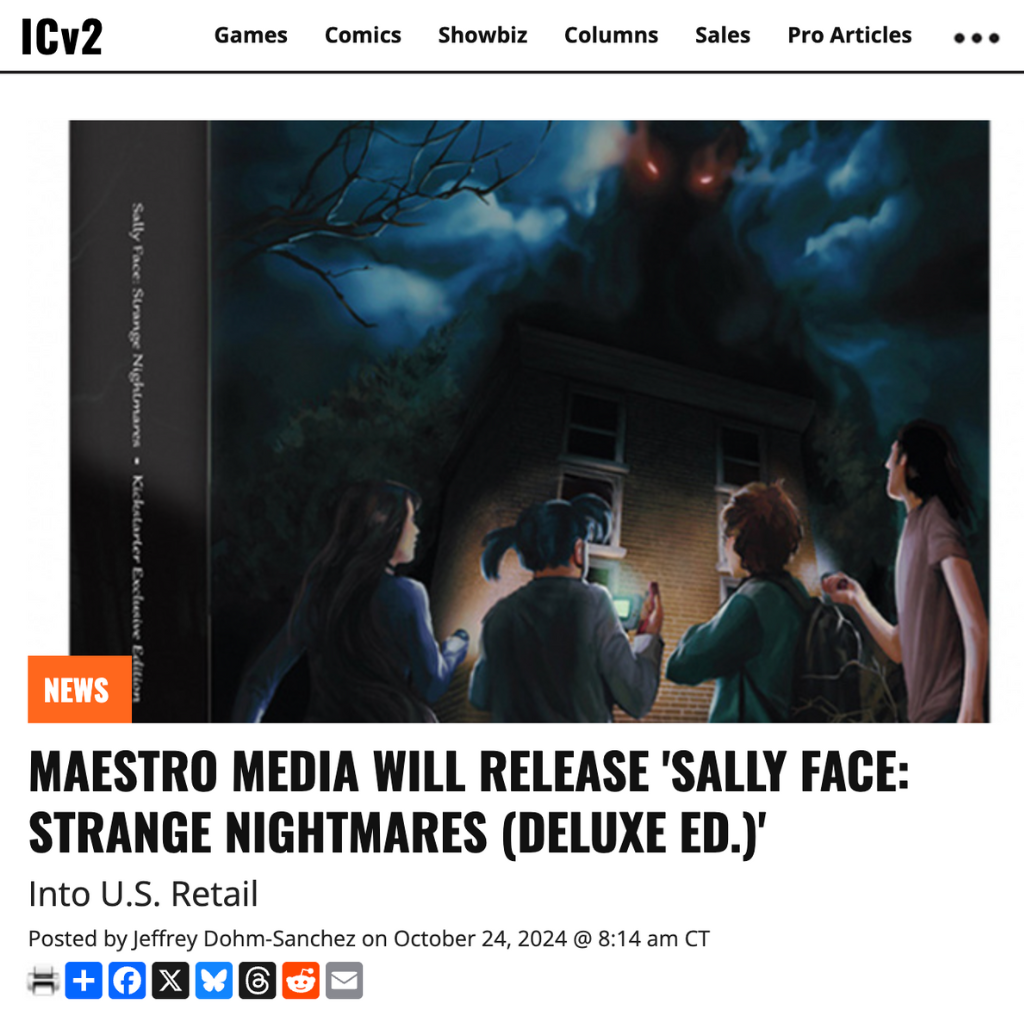
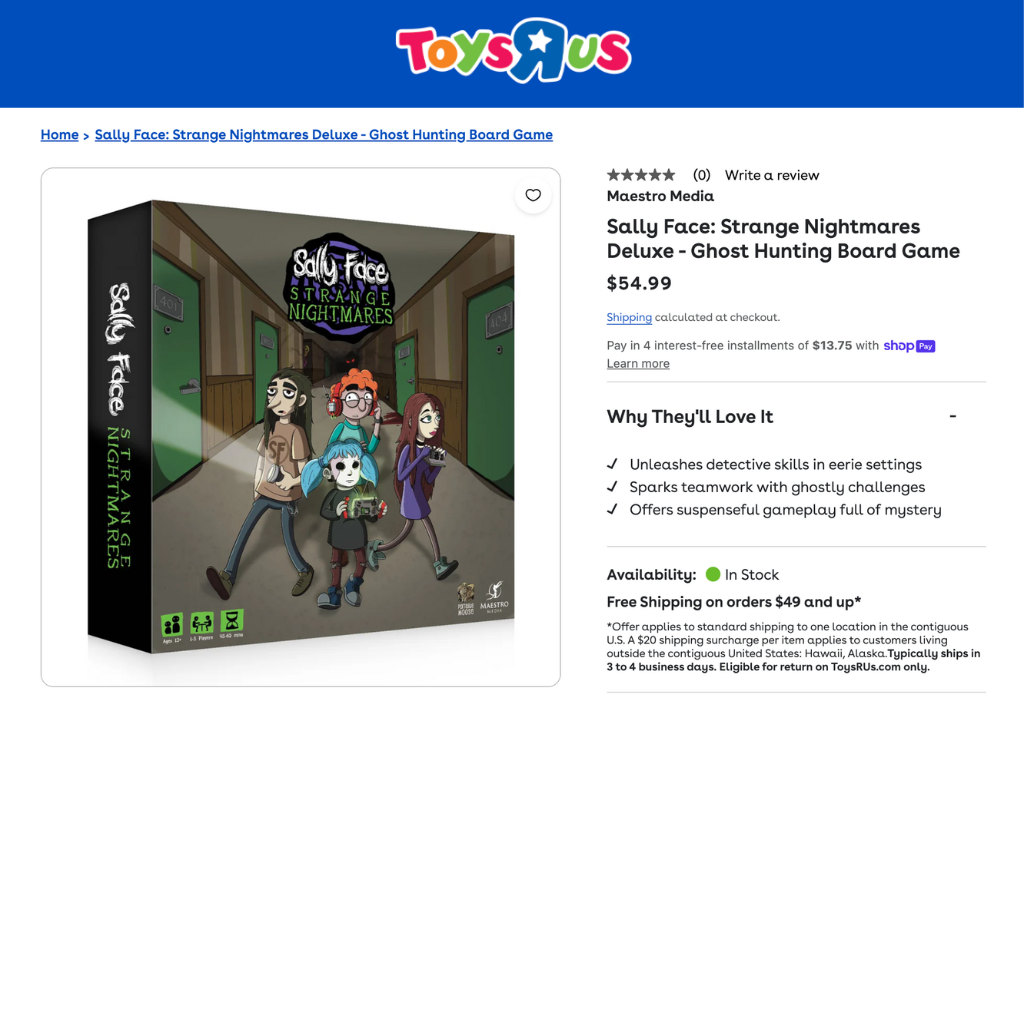
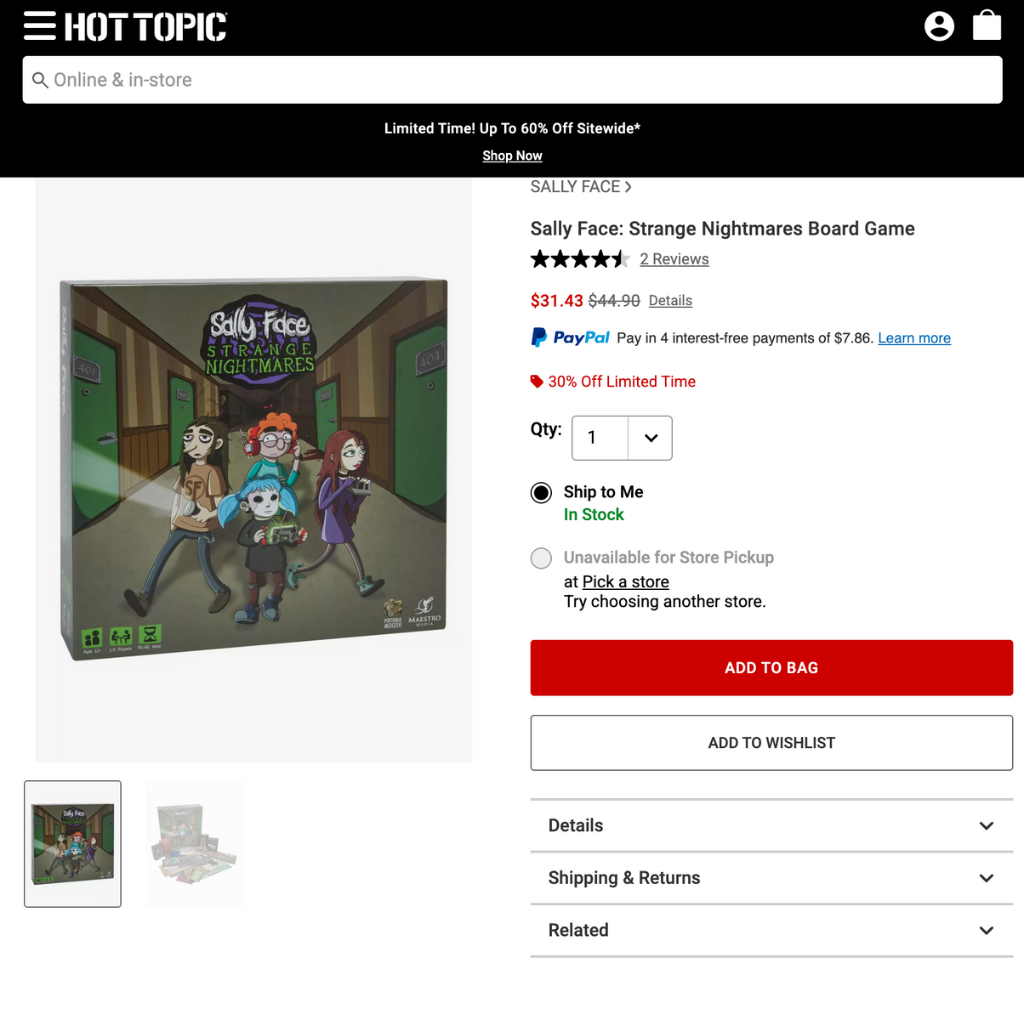
From concept to fulfillment, we oversaw every stage of the process. After the campaign concluded, we managed preorders, communications, and delivery for both the game and its extended product line. The fan community remained highly engaged through ongoing updates and behind-the-scenes insights, while retail and distribution partnerships ensured continued visibility through Maestro Media’s online store and selected outlets.
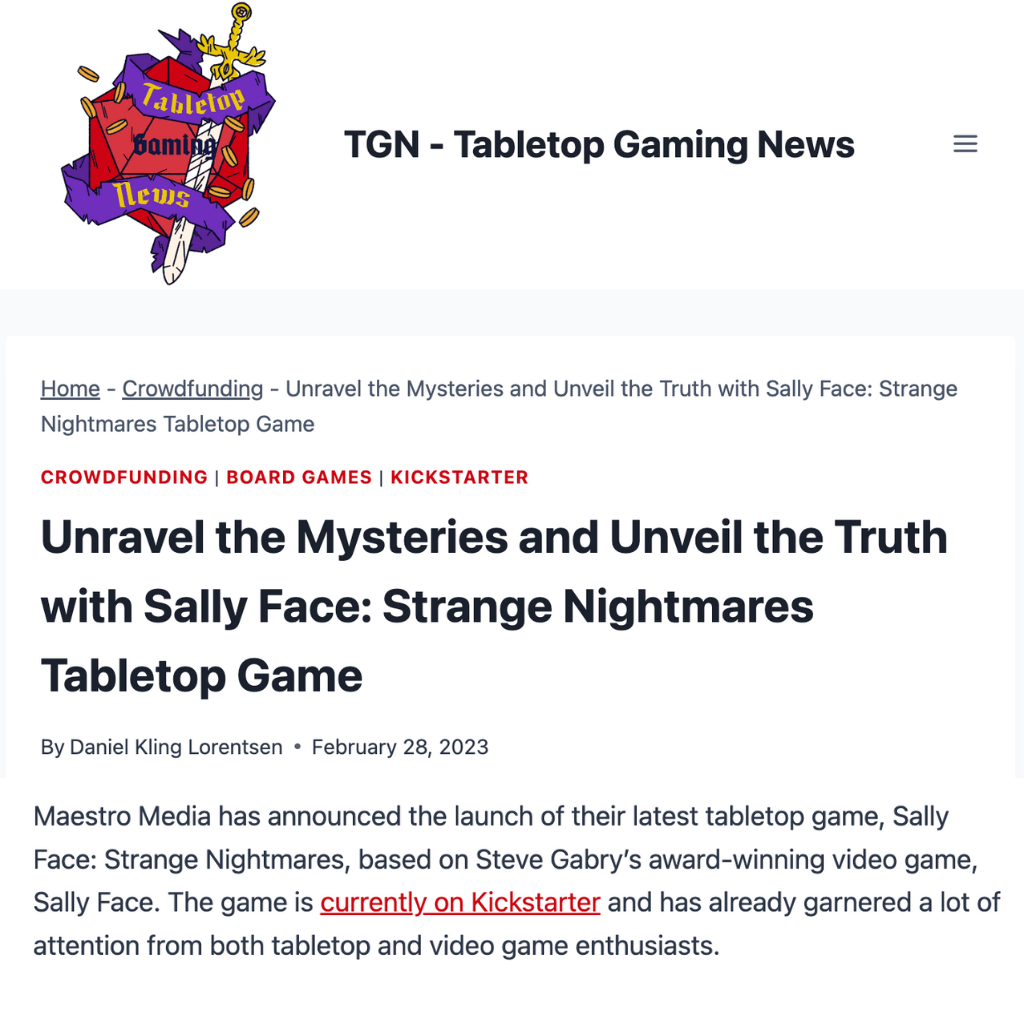
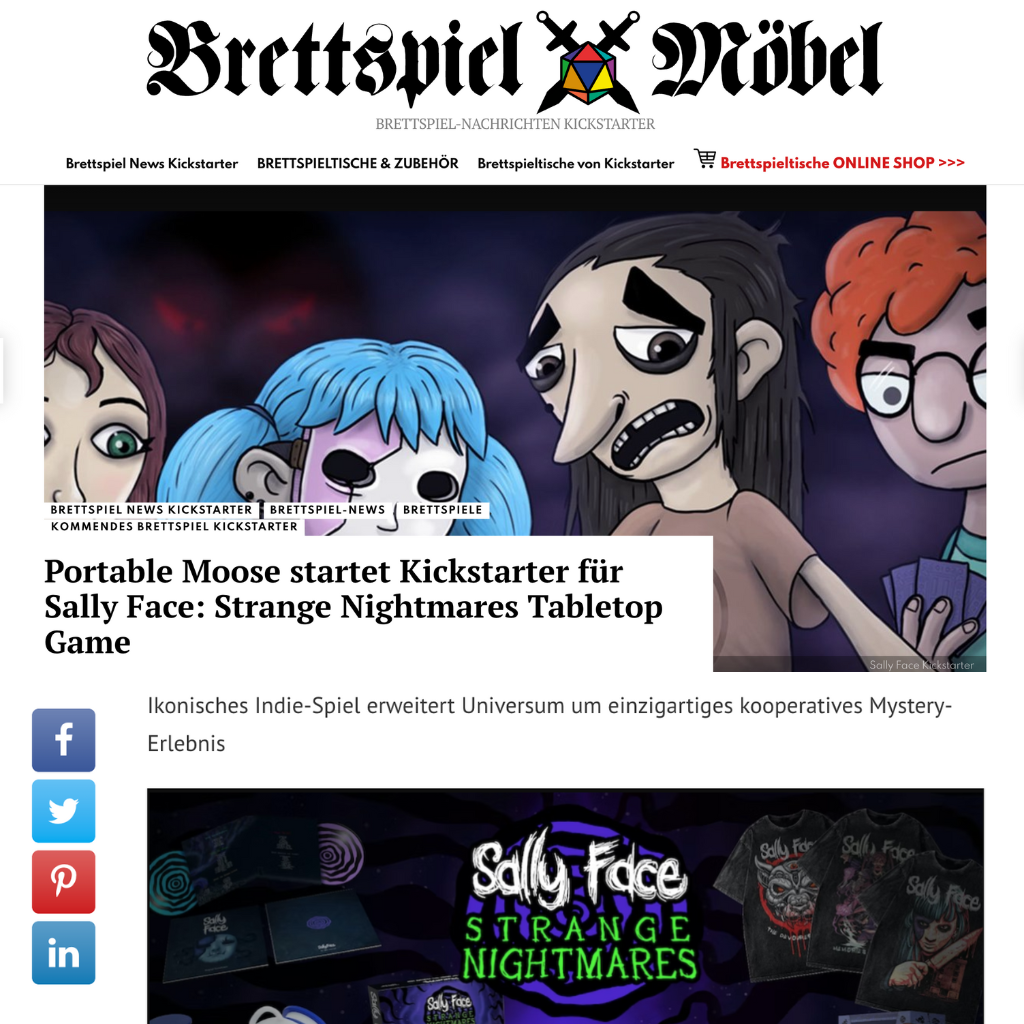
Our promotional strategy mirrored Maestro’s signature integrated approach: traditional media coverage through gaming and entertainment publications, organic and paid social media campaigns, email marketing, and direct engagement through Discord and community channels. Each communication reinforced the central message that Maestro Media’s model was built on collaboration with fans and creators—not just product launches, but shared experiences.
The success of Sally Face: Strange Nightmares proved that the video game-to-board game model Maestro had pioneered could be replicated with remarkable results. It also highlighted the company’s ability to adapt to new audiences and genres while preserving the integrity of the original creator’s vision. The campaign’s performance, sustained merchandise sales, and enduring fan enthusiasm reaffirmed Maestro Media’s position as the bridge between interactive storytelling and physical play.











We use cookies to improve your experience on our site. By using our site, you consent to cookies.
Manage your cookie preferences below:
Essential cookies enable basic functions and are necessary for the proper function of the website.
These cookies are needed for adding comments on this website.
Google Tag Manager simplifies the management of marketing tags on your website without code changes.
Statistics cookies collect information anonymously. This information helps us understand how visitors use our website.
Google Analytics is a powerful tool that tracks and analyzes website traffic for informed marketing decisions.
Service URL: policies.google.com (opens in a new window)
